

Responsible Public-Source Research
Source-review methods for lawful public-web research: uncertainty logs, provenance checks and correction-ready findings, with limits on high-impact use.
What do you need to do?
Use a minimal source log to separate what a page supports from assumptions, exclusions and unresolved questions.
Open the permission and source guide →Evidence-first reading path
All guides in this topic
3 focused guides
Facebook Marketplace Scams: 9 Checks

Check Facebook Marketplace scams before paying. Use nine evidence-first checks for listings, seller profiles, photos, payments, and official reporting.
Read the guideOSINT Face Search: Ethical Guide

Use OSINT face search ethically: document authority, minimise data, review candidate public sources, label uncertainty, and avoid surveillance or doxxing.
Read the guideHow to Spot a Fake LinkedIn Profile: 10 Red Flags
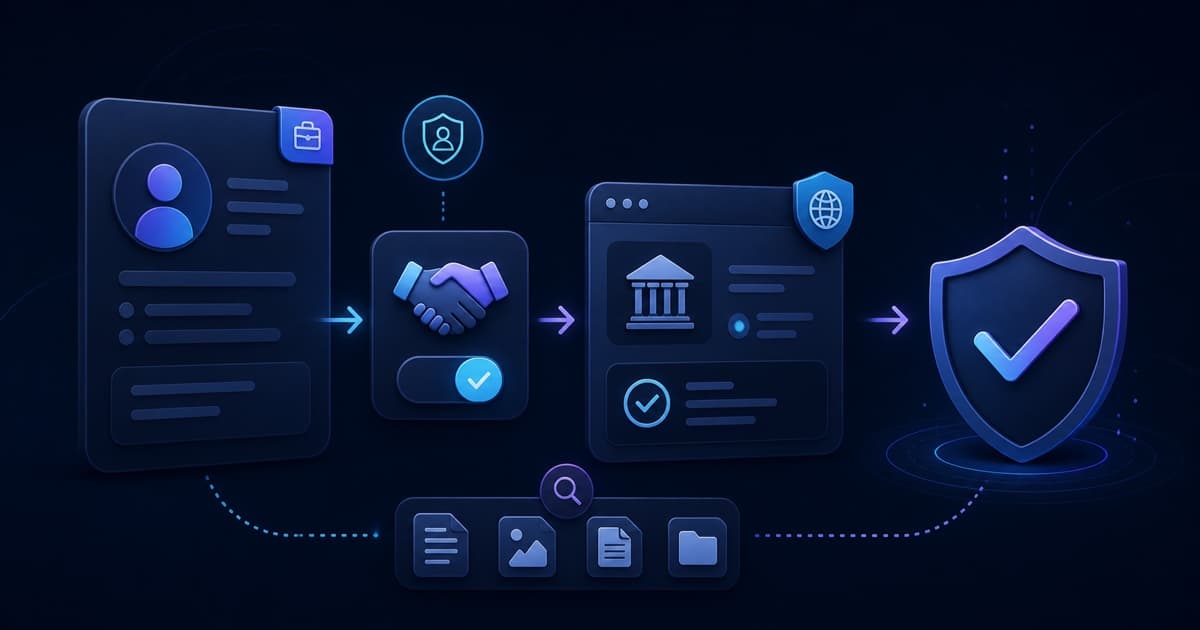
Check a LinkedIn job offer through official employer contacts, spot unsafe payment or login requests, and report evidence without guessing identity.
Read the guideAbout this topic and its limits
A job offer, a second-hand purchase and an authorised source review need different checks. Start with the decision in front of you. A recruiter requesting an equipment fee calls for an independent company contact; a buyer showing a payment screenshot calls for your own payment account; professional research starts with permission and necessity. None requires identifying an unknown person by face.
LinkedIn profile checks explains which requests need independent confirmation and why a sparse profile, generic headshot or small network is not a fraud score. Marketplace scam checks focuses on goods, delivery and payments, with separate buyer and seller actions. A reused product image does not establish fraud, and purchase protection depends on the applicable country, transaction and payment rules.
For authorised research, the public-source review guide provides a blank permission and source log. Record only the claim a page supports, conflicting evidence, exclusions and the stop condition. It is not an identification procedure, legal review or permission to collect everything public. Do not use these guides for employment, housing, credit, policing or other high-impact screening decisions.
Collect only what the necessary, lawful question requires.
Record what each source supports, what conflicts, and what remains unknown.
Do not use 221B for employment, housing, credit, policing, or other high-impact decisions.
Your next step
Record permission and the question before collecting.
Use a minimal source log to separate what a page supports from assumptions, exclusions and unresolved questions.